 English
Aroma is the first thing anyone notices and the last thing they forget. Terpene profiles decide that aroma, and they shape how the flavour lands too. The plant builds these compounds itself, yet whether they survive to the jar depends almost entirely on you.
What terpenes actually are
Terpenes are volatile aroma compounds that many plants produce. You meet them in citrus peel, in pine resin and in lavender, and also in the resin glands of cannabis. Volatile means exactly what it sounds like: they evaporate, even at room temperature.
Therefore every step after harvest is really an exercise in limiting loss. You can protect terpenes or lose them, but you cannot add them back afterwards.
The terpenes you meet most often
A handful of compounds show up in most lab reports. Myrcene brings an earthy, herbal tone. Limonene smells of citrus, while pinene leans towards pine. Caryophyllene adds pepper and wood, and linalool contributes a floral, faintly sweet layer.
These rarely appear alone. The blend makes the smell, much as a chord is more than its separate notes. A pronounced citrus line such as Super Lemon Haze feminized shows that clearly.
What genetics fixes in the terpene profile
Which compounds a plant can build is written into the line. That is the hard boundary. A line with no capacity for sweet tones never becomes sweet, however carefully you work.
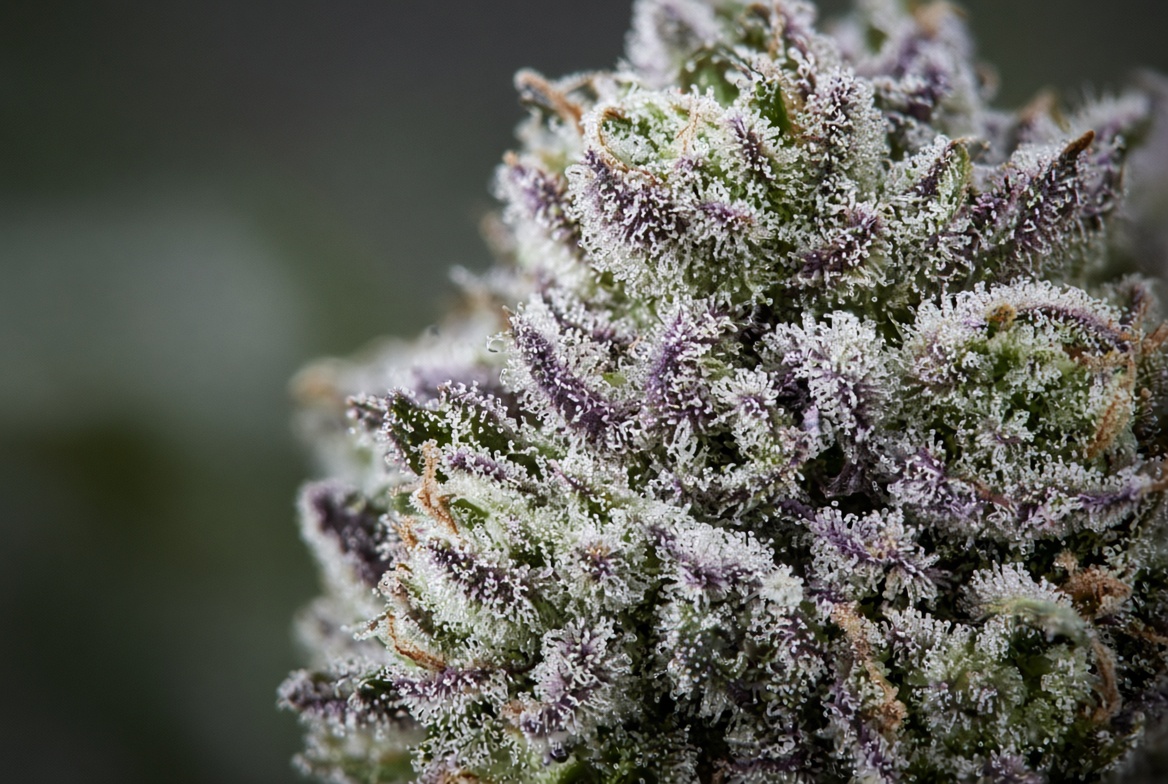
Within one line you still see differences between plants. Phenotypes vary in smell, sometimes considerably. That is why breeders select on aroma and not on weight alone.
Where terpenes get lost
Most losses happen in the final weeks and during the dry. Heat is the main culprit, followed by handling and light. Every time you grip a branch roughly, resin glands break open.
In short, the question is rarely how to make more terpenes. The question is where you are losing them.
Temperature in the last weeks
Heat in late flower costs aroma. Plants that sit above 30 °C for days in a row usually smell flatter at harvest than plants from a cooler room.
Many growers therefore let the temperature drop slightly over the final fortnight. A gap between day and night helps as well, although that is harder to arrange in a small tent.
Harvest timing and aroma
The harvest window shifts the profile. Cutting earlier usually gives a brighter, sharper smell. Cutting later gives a heavier, riper tone, while some of the lighter notes disappear.
So there is no objectively correct moment. There is a moment that matches what you want, and it differs by line. A fruit-forward line like Zkittlez feminized loses exactly the notes you chose it for when it hangs too long.
Drying: the biggest gain or the biggest loss
Drying does more to aroma than any other step. A fast dry in a warm room destroys the profile the plant spent weeks building.
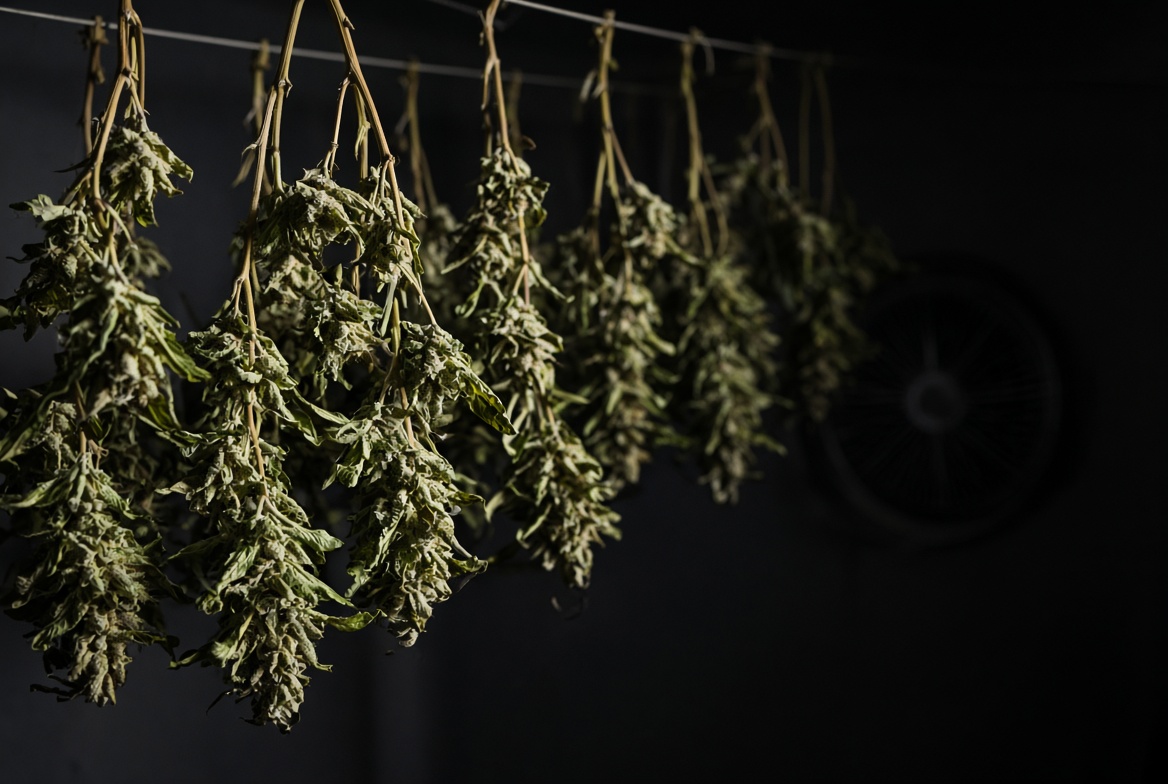
A slow dry works better. A cool, dark space with gentle air movement and steady humidity gives the best result. Expect roughly ten days rather than three, and judge by how the small stems snap instead of by the calendar.
Curing and storage
After the dry, stability is everything. Glass jars, a cool dark place and constant humidity keep a profile intact longest. Opening the jars daily during the first weeks also prevents musty smells.
Oxygen, light and warmth break terpenes down slowly. Consequently, small jars filled to the top work better than one large jar sitting half empty.
Judging aroma without a laboratory
You do not need an analysis to see progress. Smell each plant separately, rub a leaf near the flower gently and write down what you notice in three words. Do it at fixed points: at the flip, in week four, at harvest and after two weeks of cure.
Then compare those notes between runs. Because smell is almost impossible to recall accurately, writing beats remembering. After two or three cycles you can see exactly which step costs you aroma.
- Record the highest temperature of the last fortnight, with the date.
- Record how many days the dry took and at what humidity.
- Record the smell at harvest and again after the cure.
- Keep a small sample from each run for comparison.
Common mistakes that cost aroma
The first mistake is rough handling. Resin glands break on contact, so the less you squeeze and shake, the more smell survives.
The second mistake is drying in a living space. Those rooms run warm and dry, which dries the outside while the core still holds water. The result smells of hay.
The third mistake is sealing too early. Residual moisture then creates musty notes you cannot remove later. Check the small stems instead: they should snap rather than bend.
Using terpene profiles when choosing seed
Read how a line is described on smell, not only on yield. Words like citrus, gas, earth or floral tell you more about your result than any figure in grams.
Consider your space as well. Strongly scented lines demand serious carbon filtration, and a classic such as Amnesia Haze feminized is not easily hidden.
Why phenotypes smell so different
One packet of seed produces plants that clearly smell unlike each other. That is normal, since every seed-grown plant inherits its own combination of traits. Take cuttings from a single mother, however, and the difference disappears.
This is why growers keep the best-smelling plant as a mother. Doing so locks in a profile you would otherwise have to hunt for again every round.
Aroma and the last two weeks
The final fortnight decides more than most growers expect. Light intensity can come down slightly, since the plant is no longer building structure, and a cooler room protects the volatile compounds already stored in the resin.
Avoid heavy defoliation this late as well. Handling knocks resin glands off, and every pass through the canopy takes a little aroma with it. In practice, doing less during these weeks preserves more.
What we do not know yet
Plenty of confident claims circulate about terpenes. The idea that they steer the effects of cannabis, often called the entourage effect, has been explored in laboratory work but is not yet convincingly demonstrated in people.
What is certain is that terpenes decide smell and taste. That alone justifies handling them carefully. Claims about health effects, meanwhile, deserve a cautious reading.
Where terpenes are lost first
The loss starts long before the jar. In the final weeks of flowering, temperatures above thirty degrees Celsius drive off the lightest compounds, and they never come back. Therefore cooling the room in that window preserves more aroma than any bottled additive. Consequently, climate control is the cheapest terpene product on the market.
Handling costs aroma too
Every squeeze bursts trichomes. As a result the scent ends up on your fingers instead of in the flower. Handle by the stem rather than the bud. In addition, use clean scissors and touch dried material as little as possible, because friction breaks exactly the part that carries the smell.
Light and air inside the jar
Clear glass on a shelf degrades terpenes within weeks. By contrast, a dark cupboard preserves them. Therefore fill jars to around three quarters, since excess air slowly oxidises the material. Meanwhile a small hygrometer removes all the guesswork from the process.
Frequently asked questions
Can terpenes be added afterwards?
Added aromas exist, yet they do not replace a natural profile. They often smell flat and tend to mask mistakes made during the dry.
Do terpenes fade in long storage?
Yes, gradually. Cool, dark and airtight storage slows that down considerably, while warmth and light speed it up.
Does a plant smell the same in flower as after curing?
No. The profile shifts during drying and curing, usually towards something softer and rounder, and sharp green notes fade.
Does feeding change the terpene profile?
Only to a limited degree. A healthy plant expresses its potential, but nutrients add no notes that the genetics never carried.
